.png?width=150&height=150&name=EORI%20LOGO%202025%20(6).png "EORI (UK) Limited")
In-house customs brokerage
Customs is no longer just about completing declarations. It requires accurate data, consistent processes, and a deep understanding of import/export documentation, duty calculation, and regulatory requirements across multiple jurisdictions. Without this, even small errors in classification, valuation, or origin can result in shipment delays, unexpected duty liabilities, and retrospective penalties.
For UK and EU import and export managers, the challenge is clear: maintaining compliance while scaling operations efficiently. This is where many businesses begin to recognise the real reasons companies outsource brokerage. Professional customs brokerage services provide not just declaration support, but structured processes, accountability, and expertise that reduce risk and improve operational performance.
In this guide, we outline the 10 most common mistakes made in in-house customs brokerage, focusing on the issues that lead to delays, increased costs, and compliance exposure. More importantly, we explain how working with experienced customs brokerage services helps prevent each issue, turning customs from a reactive function into a strategic advantage.
.png?width=1920&height=1920&name=_Informative%20Style%20(1).png)
1. Treating Customs as an Administrative Task
Many businesses still see customs as simple form filling.
It isn’t.
Customs is a data-driven, compliance-heavy function that directly impacts duty exposure, cash flow, and supply chain speed. Treating it as admin leads to shortcuts, assumptions, and ultimately customs compliance errors.
How outsourcing helps
Professional customs brokerage services treat customs as a strategic function, not a clerical task, ensuring accuracy, auditability, and control.

2. Incorrect Commodity Code Classification
Misclassification is one of the most common and costly errors in in-house customs brokerage.
Get it wrong and you risk:
- Overpaying duty
- Underpaying duty (leading to audits and penalties)
- Applying incorrect controls or licences
How outsourcing helps
Experienced brokers apply structured classification processes and validation checks, significantly reducing classification-related customs compliance errors.

3. Weak or Unverified Origin Data
Incorrect use of preferential origin is a major risk.
Many businesses rely on supplier declarations without proper validation, exposing themselves to retrospective duty claims.
How outsourcing helps
Customs brokerage services validate origin claims and ensure supporting documentation is compliant, protecting against future liabilities.

4. Poor Customs Valuation Practices
Valuation errors often come from misunderstanding about what should be included in the customs value:
- Freight
- Insurance
- Royalties
- Additional charges
These mistakes distort duty and VAT calculations.
How outsourcing helps
Brokers ensure consistent valuation methodologies, reducing the risk of underpayment, overpayment, and audit exposure.

5. Incomplete or Inaccurate Import/Export Documentation
Errors in import/export documentation slow down the entire customs clearance process.
Common issues include:
- Missing data fields
- Inconsistent invoice values
- Incorrect Incoterms
- Poor document quality
How outsourcing helps
Customs brokerage services standardise documentation requirements and ensure every shipment is declaration-ready before it reaches the border.

6. Over-Reliance on Pre-Lodged Frontier Declarations
Many in-house teams still rely on traditional declaration methods that require an entry per shipment.
This leads to:
- Higher costs
- Slower processing
- Increased admin workload
How outsourcing helps
Modern brokers use simplified procedures that reduce the number of declarations required, improving efficiency and lowering cost.

7. Lack of Audit and Compliance Controls
Most businesses running in-house customs brokerage do not audit their entries regularly.
This creates:
- Hidden errors
- Undetected risks
- Exposure to HMRC or EU customs audits
How outsourcing helps
Professional customs brokerage services include structured audit processes, identifying issues early and protecting against compliance failures.

8. Inefficient Data Flow Between Systems
Customs relies on accurate, timely data, yet many businesses operate with disconnected systems.
This results in:
- Manual data entry
- Delays
- Increased error rates
How outsourcing helps
Modern brokers integrate with your systems (API, XML, etc.), improving data accuracy and speeding up the customs clearance process.

9. Misunderstanding Liability and Risk Exposure
In-house teams often underestimate where liability sits.
Even if a third party submits the declaration, the importer remains legally responsible for:
- Classification
- Origin
- Valuation
How outsourcing helps
With the right customs brokerage services, risk is actively managed, assessed, and mitigated, not ignored.
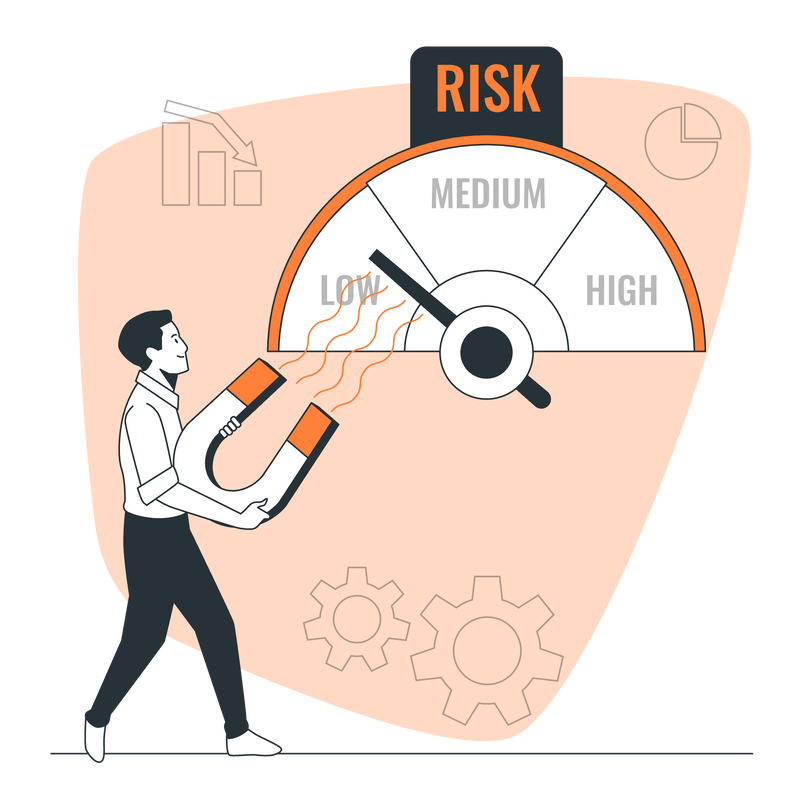
10. Focusing on Cost Instead of Commercial Impact
Many businesses keep customs in-house to “save money”.
But the real cost comes from:
- Delays
- Inefficiencies
- Overpaid duty
- Compliance penalties
How outsourcing helps
The real reasons companies outsource brokerage are not just cost, they are:
- Scalability
- Speed
- Accuracy
- Reduced risk
Outsourcing transforms customs from a reactive cost into a proactive commercial function.

Need to Reduce Risk and Improve Performance?
If your current setup is creating delays, increasing costs, or exposing you to risk, it may be time to rethink your approach.
At EORI we don’t just support your operations we strengthen them.
For a deeper understanding of classification, origin, and valuation, download our Understanding Customs Duty whitepaper.

You're In Good Company